
Spring
Product Category
Showing 1–12 of 106 results
-

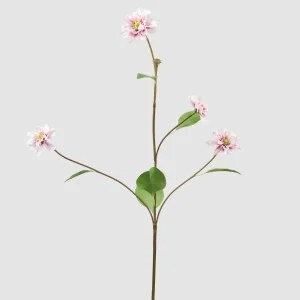
64cm Mini Artificial Dahlia flower Stem
Item No. 25STD297021-1~11
-
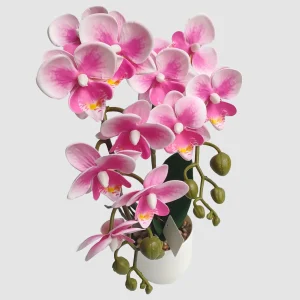
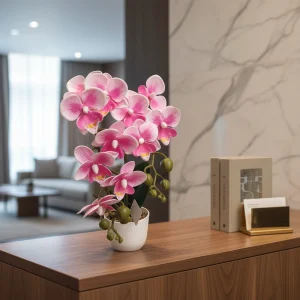
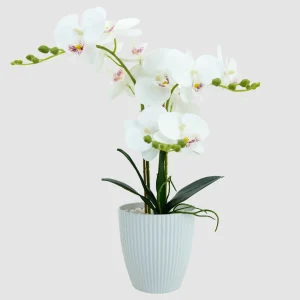
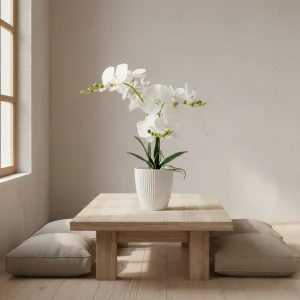
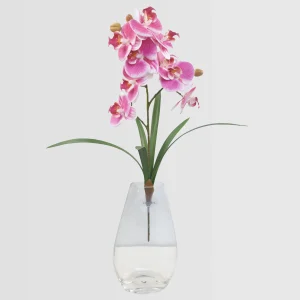
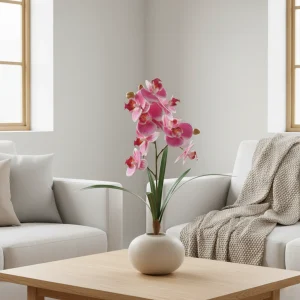
38cm Artificial Butterfly Orchid Arrangement
Item No. 25STP412016-1~3
-
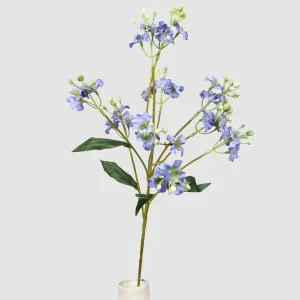
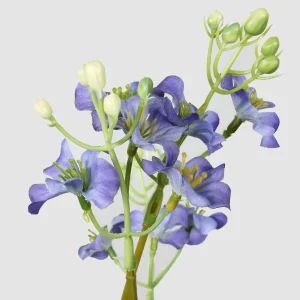
60cm Artificial Tung Blossom Stem
Item No. 26STD586004-1~9
-
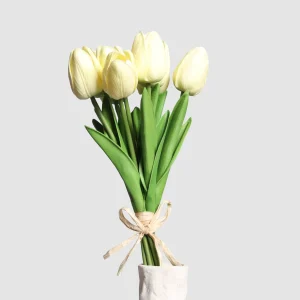
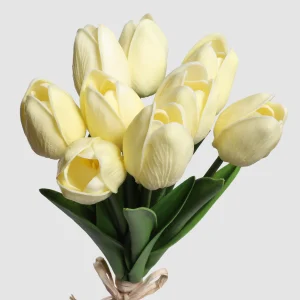
34cm Real Touch PU Faux Tulip Bouquet
Item No. 24STB293001-C
-
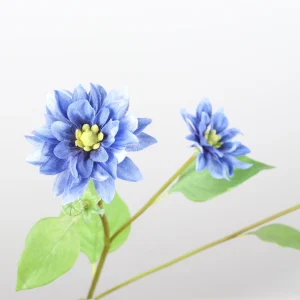
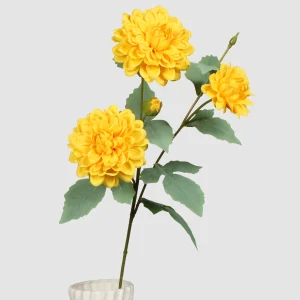
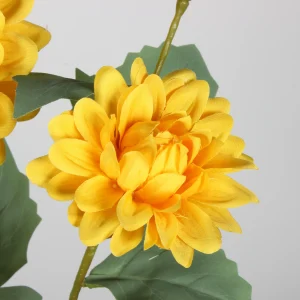
64cm Artificial Dahlia Flower Stem
Item No. 26STD586007-1~5
-
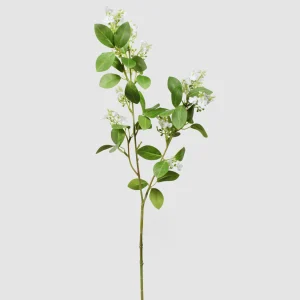
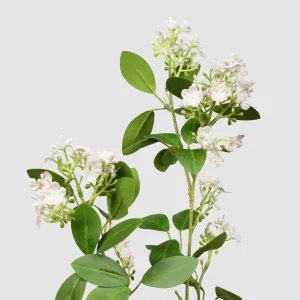
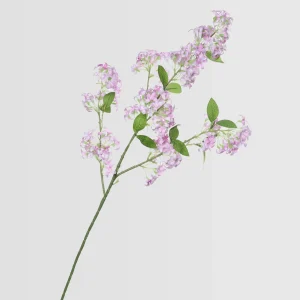
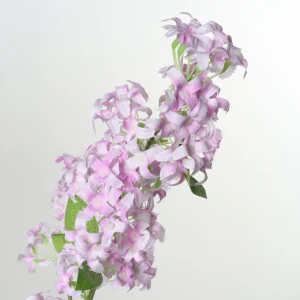
80cm Artificial Snow Lilac flower Stem
Item No. 26STD586002-1~8
-
91cm Artificial Orange Jasmine Flower Stem
Item No. 25STD232002-1~6
-
45cm Artificial Orchid 3-Stem Arrangement
Item No. KC172-45A-1/2
-
58cm Artificial Orchid Stem
Item No. 25STD297418-1/2
-
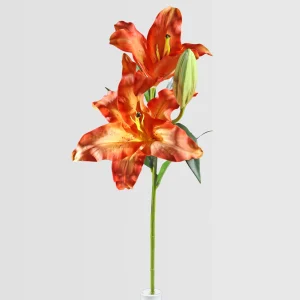
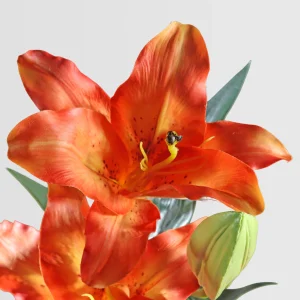
82cm Real Touch Long Artificial Lily Stem
Item No. 25STD297123-1~2
-
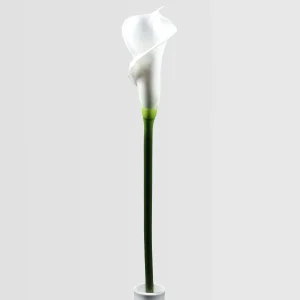
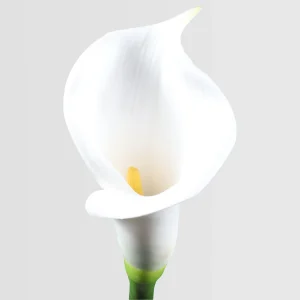
64cm Real Touch Artificial Calla Lily Stem
Item No. 24STD293106-W
-
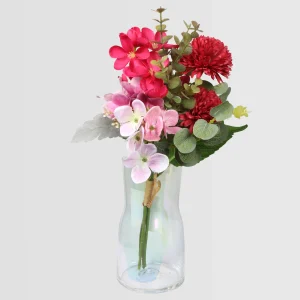
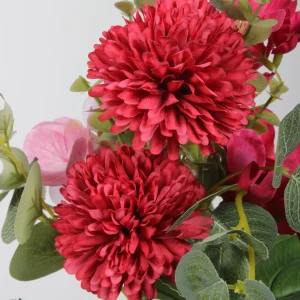
38cm Artificial Red Button Mum Flower Bundle
Item No. 26STB361009-1
What are Artificial Spring Flowers and Where Are They Used?
Artificial spring flowers bring a fresh, vibrant touch to your indoor or outdoor space, widely used in homes, offices, hotels, shopping malls, restaurants, weddings, exhibitions, and seasonal displays. From window displays to tabletop arrangements and large-scale floral installations, faux spring flowers provide long-lasting visual appeal and consistent beauty throughout the year.
At TrustFloral, we manufacture a wide range of artificial spring flowers to meet the growing demands of markets. If you are interested in our artificial flowers, don’t hesitate to contact us.
Common Types of Artificial Spring Flowers and Their Features
- Artificial Tulip Flowers
Faux tulips feature a smooth, cup-shaped bloom with gently curved petals that form a clean and symmetrical silhouette. The petals usually display subtle color gradients from the base to the tip, enhancing realism and depth. Their upright stems and compact flower heads create a neat, modern appearance that fits well in minimalist interiors, office environments, and contemporary commercial displays. Tulips visually convey freshness, simplicity, and refined elegance.
- Artificial Cherry Blossom
Artificial cherry blossoms are delicate five-petal flowers with soft rounded edges and light branching stems. These petals often present layered tones of pale pink, ivory, or light white with slightly darker centers, mimicking natural spring blooming effects. The lightweight structure and scattered flower distribution create an airy, romantic atmosphere, making them ideal for ceiling installations, arch decorations, weddings, and seasonal theme displays.
- Artificial Daisy Flower
Artificial daisies feature a classic radial structure with bright central discs and evenly spaced slender petals. The high contrast between the vivid yellow center and white or pastel petals creates strong visual clarity and cheerful brightness. Their simple geometry and fresh color tone make them suitable for casual décor, children’s spaces, cafés, garden-style environments, and youthful branding displays.
- Artificial Rose Flower
Artificial roses are defined by their multi-layered spiral petal arrangement, forming a full and dimensional bloom. The petals often show complex shading, velvet-like textures, and natural curling edges that enhance realism and luxury appeal. Roses are available in a wide range of colors, allowing flexible styling for weddings, premium retail environments, romantic installations, and high-end interior decoration.
- Artificial Peony
Artificial peonies showcase large, dense flower heads composed of many soft, overlapping petals. The rounded bloom structure creates a rich sense of volume and visual softness. Gentle color transitions and feathered petal edges contribute to a luxurious, romantic impression. Peonies are commonly used in statement floral arrangements, hotel lobbies, event backdrops, and upscale decorative compositions.
- Artificial Lily
Artificial lilies feature elongated trumpet-shaped petals with elegant outward curves and visible central stamens. Their clean lines and symmetrical form deliver a refined and graceful visual presence. Light color tones such as white, cream, and soft pink emphasize purity and sophistication, making lilies suitable for professional spaces, hospitality environments, ceremonial decoration, and modern interiors.
- Artificial Hydrangea
Artificial hydrangeas consist of dense clusters of small four-petal blossoms forming a rounded spherical shape. The compact floral mass provides strong volume and surface coverage, making it ideal for large-scale floral walls, centerpieces, and background installations. Color blending within each cluster creates depth and layered texture, enhancing visual richness and spatial impact.
- Artificial Sunflower
Artificial sunflowers are recognized by their large circular faces, bold yellow petals, and textured dark centers. The wide petal spread creates strong visual energy and high brightness, drawing immediate attention. Their warm and positive appearance makes them popular for seasonal promotions, window displays, countryside-themed décor, and cheerful retail environments.
- Artificial Lavender
Artificial lavender features slender upright stems with densely packed small blossoms arranged in vertical spikes. The soft purple and violet tones deliver a calming, natural, and aromatic visual association. The fine linear structure adds height variation and light texture, making lavender ideal for rustic décor, lifestyle displays, and wellness-oriented environments.
- Artificial Magnolia
Artificial magnolias present large, thick petals with smooth surfaces and graceful curvature. The flower structure feels sculptural and elegant, often supported by strong branches and glossy green leaves. Subtle creamy or soft pastel coloring reinforces a premium and refined atmosphere. Magnolias are widely used in luxury interiors, hotel décor, showroom styling, and high-end commercial installations.
What Defines a Spring Flower in Artificial Floral Design?
In floral design and decoration, a spring flower is not defined only by its natural blooming season, but also by its visual characteristics and market perception. Botanically, spring flowers naturally bloom from early to late spring, such as tulips, cherry blossoms, magnolias, daffodils, and early-season peonies. These flowers symbolize renewal, growth, and seasonal transition.
In the artificial flower industry, however, the term artificial spring flower is also a design category. It refers to flowers that visually express lightness, freshness, soft brightness, and natural vitality. Even some flowers that may bloom in other seasons can still be classified as artificial spring flowers if their colors, shapes, and textures match the spring aesthetic. Therefore, artificial spring flower bouquet represents both a seasonal inspiration and a decorative style used in commercial displays, interior decoration, and seasonal merchandising.
Why Are Certain Artificial Spring Flowers More Common in the Market?
Several practical and aesthetic reasons explain why certain artificial spring flowers dominate the market. First, these flowers have high visual recognition. Their shapes and silhouettes are easy for consumers to identify, which increases product acceptance and purchasing confidence.
Second, their petal structures and color patterns are suitable for mass production. Standardized molds allow consistent shaping, coloring, and assembly, enabling artificial spring flower manufacturers to maintain stable quality and cost control while achieving realistic visual effects.
Third, many real spring flowers have short blooming cycles, fragile petals, and high transportation and maintenance costs. However, the silk spring flowers offer long-term durability, stable color performance, and year-round availability, making them more economical and reliable for commercial use.
Finally, these spring flowers have been validated by long-term market demand. They perform well in retail sales, event decoration, hospitality environments, and seasonal promotions, reducing inventory risks and improving supply chain efficiency.
How an Artificial Spring Flower Manufacturer Replicates the Natural Beauty of Spring Blooms
For a professional faux flower manufacturer, spring flowers require more than general artificial flower techniques. Spring flowers such as tulips, cherry blossoms, peonies, magnolias, daisies, and early-season roses share common visual characteristics: lightweight petal structures, soft bloom angles, gentle color transitions, and airy spatial volume.
Lightweight Petal for Delicate Spring Blooms
Many spring flowers naturally feature thin, smooth petals with flexible curvature and soft edge definition. To imitate this appearance, an artificial spring flower manufacturer develops ultra-thin mold structures combined with balanced material formulations that deliver both softness and durability. Petal thickness tolerance, edge smoothness, and surface elasticity are tightly controlled to avoid rigidity or excessive weight. These methods apply across various spring flowers, including tulips, cherry blossoms, peonies, and daisies, ensuring a consistently light and natural visual presence.
Controlled Bloom Angles and Layered Depth
Spring flowers typically open with moderate angles rather than fully expanded forms. Maintaining realistic bloom posture requires precise control of petal positioning, overlap density, and curvature tension during mold design and assembly. Multi-layer construction techniques allow gradual depth formation while preserving visual softness and organic flow. These structural controls support stable shape consistency across different artificial spring flower categories while allowing subtle variations between flower models.
Subtle Color Gradient Management for Spring Palettes
Spring color palettes emphasize pastel brightness, soft saturation, and natural tonal transitions. Fake spring flower manufacturers apply multi-stage spray coloring, gradient masking, and pigment blending systems to recreate center-to-edge shading, gentle highlights, and layered color depth. Consistent color calibration prevents artificial opacity, uneven saturation, or excessive gloss, maintaining a fresh and natural spring appearance across product lines.
Balanced Spatial Volume and Visual Lightness
Unlike dense summer floral compositions, spring flowers prioritize visual openness and breathable spacing. Manufacturers must optimize flower head density, petal spacing, and stem distribution to balance volume without visual heaviness. This spatial balance allows faux spring flower arrangements to integrate smoothly into retail displays, interior layouts, and large-scale installations while preserving seasonal lightness and flexibility.
Become Our Customers
Get In Touch With Trustfloral
Have questions about our brand, collection, partnership, or anything else? Reach out to us today to experience our excellent and personalized service.

Welcome to our advanced artificial flower factory. With extensive export experience, we offer diverse and high-quality faux flowers and support both ODM and OEM services.
Copyright © 2024 Trustfloral. All rights reserved.
Other Pages
Quick Links
Contact Details
- RoomJ208, No.645 Hu'an Road, Huli District,Xiamen 361015 Fujian, China
- info@trustfloral.com
- +86-13860128053

